Why are 2026 brides ditching heavy mehndi for this viral mandala-minimal design? Discover the bridal mehndi pattern trending everywhere, with styling tips and inspiration.
Brides Are Obsessed With This Mehndi Pattern in 2026 💍 (And It’s Changing Bridal Mehndi Forever)
Wedding trends evolve every year, but once in a while, a single detail captures the collective imagination of brides everywhere. In 2026, that detail is bridal mehndi. Scroll through Instagram, Pinterest, or real wedding albums, and you’ll notice a striking shift: brides are no longer automatically opting for heavy, full-hand mehndi. Instead, a more refined, elegant style is taking center stage — the minimal mandala + fine-line fusion mehndi pattern.
This trend isn’t just about aesthetics. It reflects a deeper change in how modern brides view their wedding look. Today’s bride wants to feel bridal but not burdened, traditional yet personal, stylish without being overwhelming. The viral 2026 mehndi pattern delivers exactly that balance, which is why it’s being embraced by brides across cultures, wedding styles, and aesthetics.
In this article, we’ll explore what this trending mehndi pattern actually looks like, why brides are obsessed with it, how it fits into modern wedding fashion, and how you can personalize and style it for your own big day.
What Is the Mehndi Pattern Every Bride Wants in 2026?
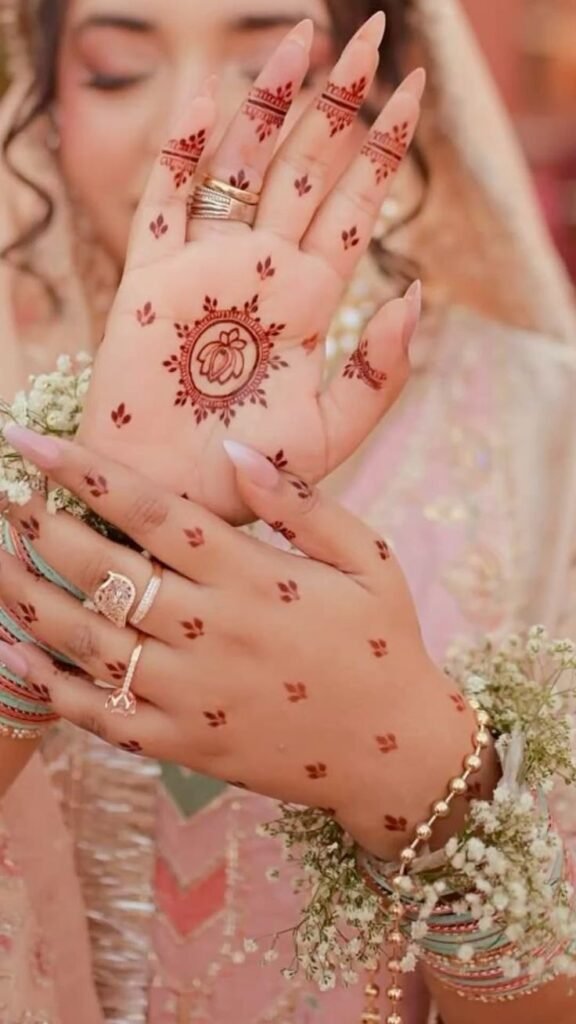
The most in-demand bridal mehndi style of 2026 centers around a statement mandala placed in the middle of the palm, paired with fine-line finger detailing and subtle wrist trails. Unlike traditional full-hand mehndi, this design uses negative space strategically, allowing the skin to show through and creating a lighter, more refined visual effect.
The typical elements of this trending pattern include:
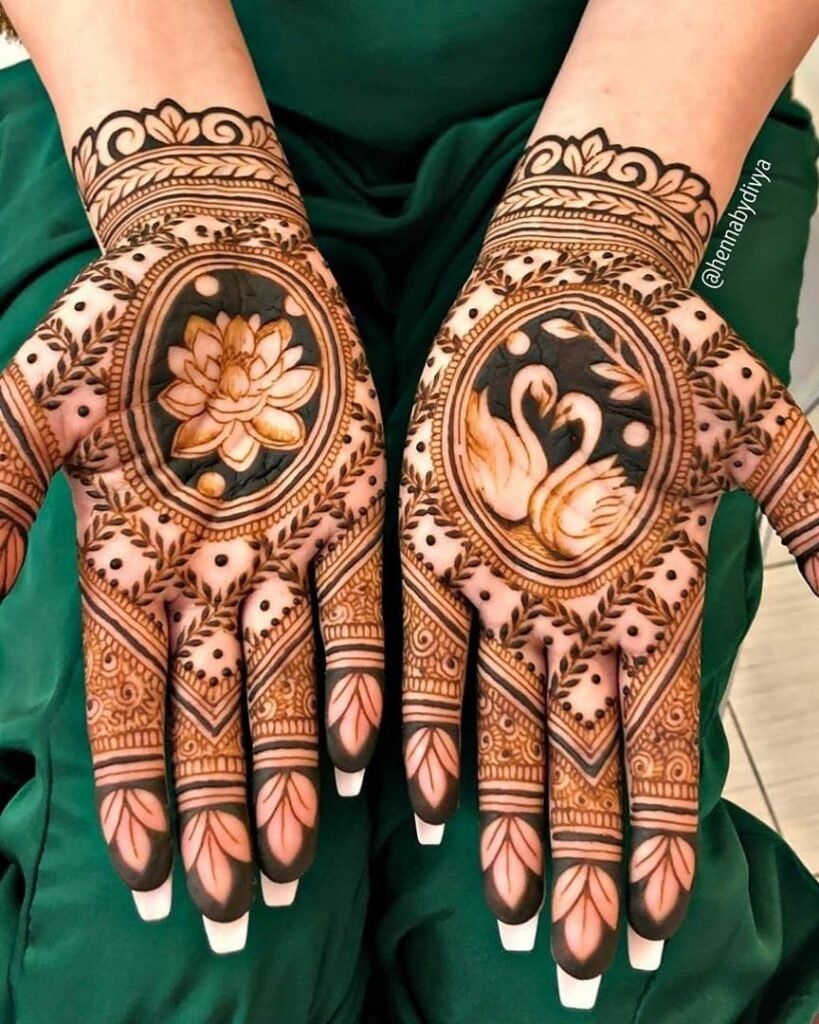
- One large, symmetrical mandala on each palm
- Delicate vine, dot, or leaf patterns on fingers
- A thin bracelet-style trail around the wrist
- Minimal or no design on the back of the hand
- Clean borders and fine detailing rather than dense shading
The overall effect is bridal yet breathable. The design feels intentional, almost curated — like jewelry for the hands rather than coverage.
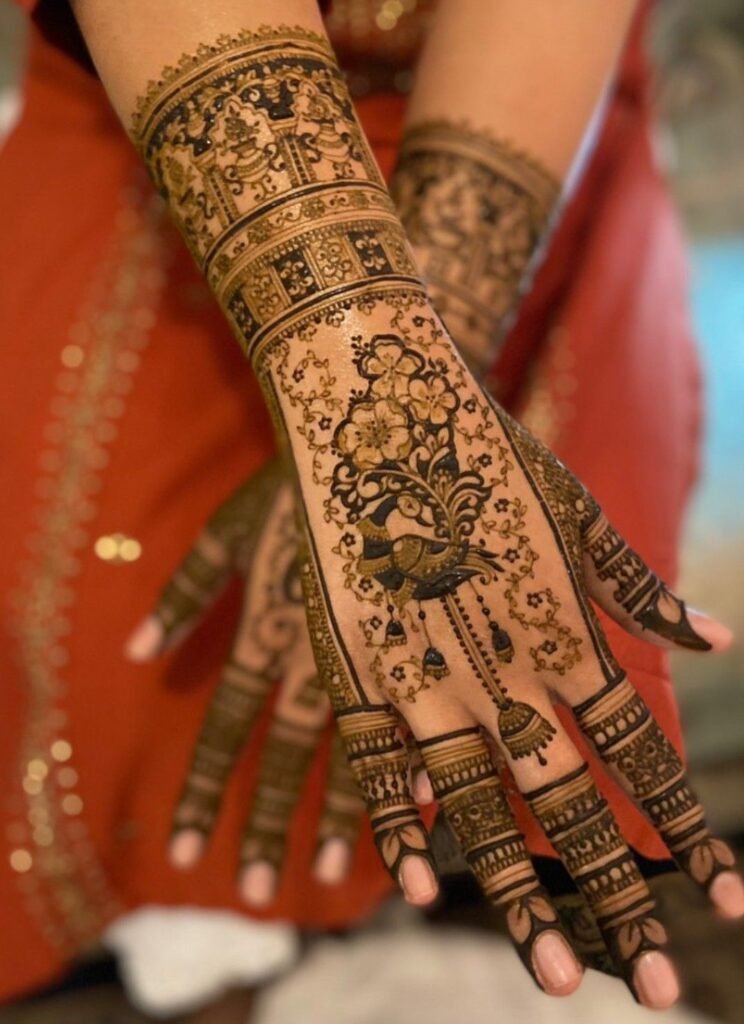
Why Brides Are Moving Away From Heavy Full-Hand Mehndi
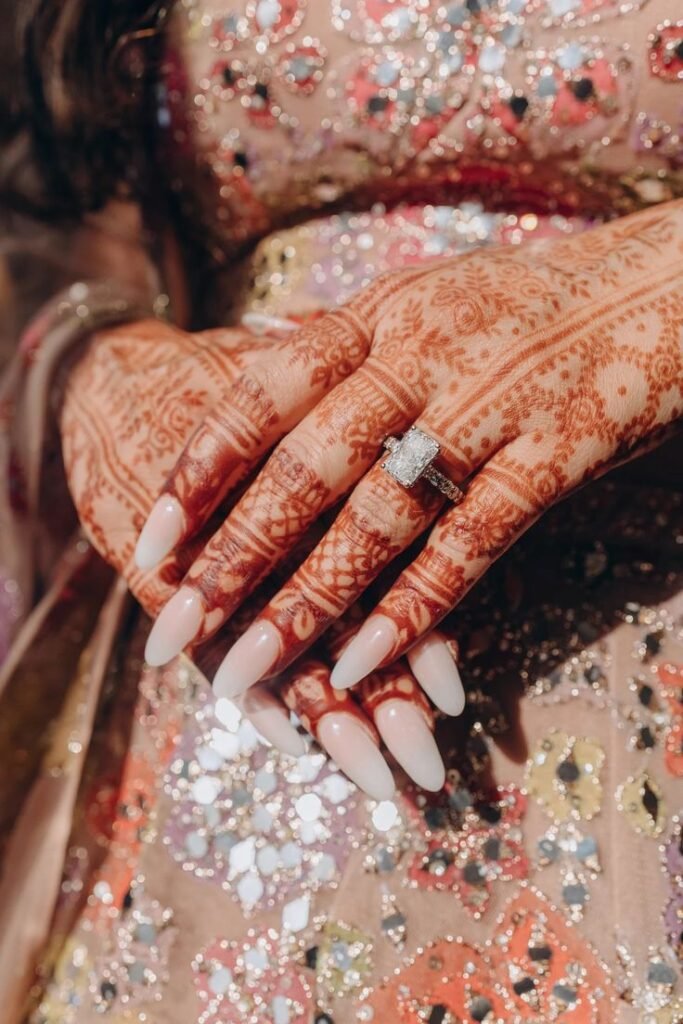
For decades, full-hand mehndi symbolized tradition, celebration, and grandeur. So why are 2026 brides consciously choosing lighter designs?
1. The Rise of Minimal Bridal Fashion
Modern bridal fashion has shifted toward softer colors, lighter fabrics, and cleaner silhouettes. Pastel lehengas, ivory sarees, organza dupattas, and contemporary drapes are now common bridal choices. Heavy mehndi can sometimes visually clash with these delicate outfits. Minimal mandala mehndi, on the other hand, complements modern bridal fashion beautifully.
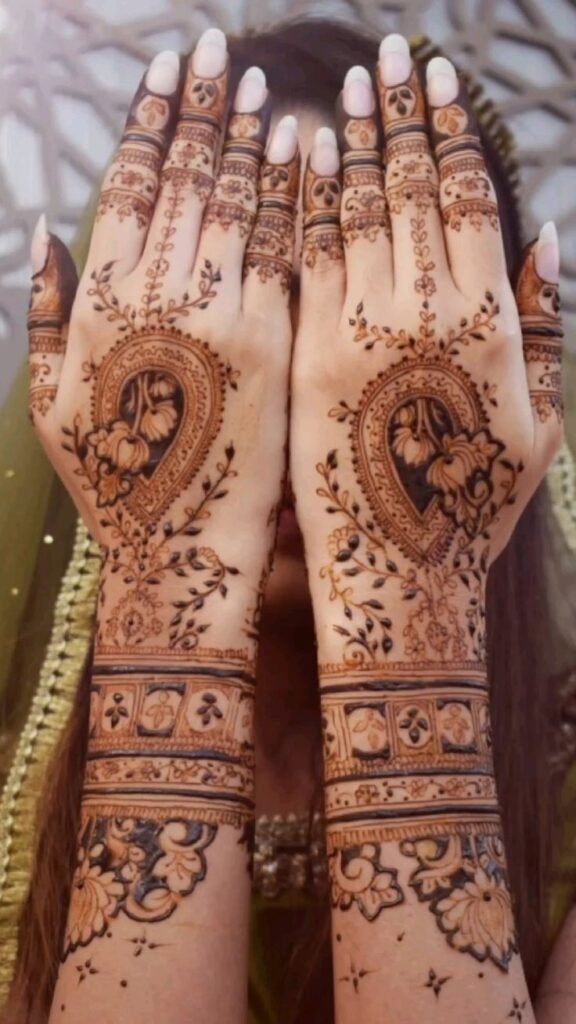
2. Comfort Matters More Than Ever
Weddings today often span multiple events over several days. Brides are on their feet, greeting guests, posing for photos, and participating in rituals. Lighter mehndi designs mean:
- Less application time
- Faster drying
- Less risk of smudging
- More comfort throughout long ceremonies
This practical benefit has become surprisingly important to modern brides.

3. Photography Has Changed Bridal Aesthetics

Social media has reshaped what brides consider “beautiful.” Close-up shots of rings, hand-holding moments, outfit details, and candid portraits dominate wedding photography. Minimal mehndi allows engagement rings, nail art, bangles, and outfit embroidery to stand out clearly in photos, rather than competing visually with dense patterns.
4. Brides Want Their Personality to Show

The 2026 bride isn’t just following tradition blindly. She wants her wedding look to reflect who she is. Minimal mandala mehndi feels intentional, curated, and personal — not just a default design chosen from a catalog.
The Emotional Appeal: Mehndi as Storytelling
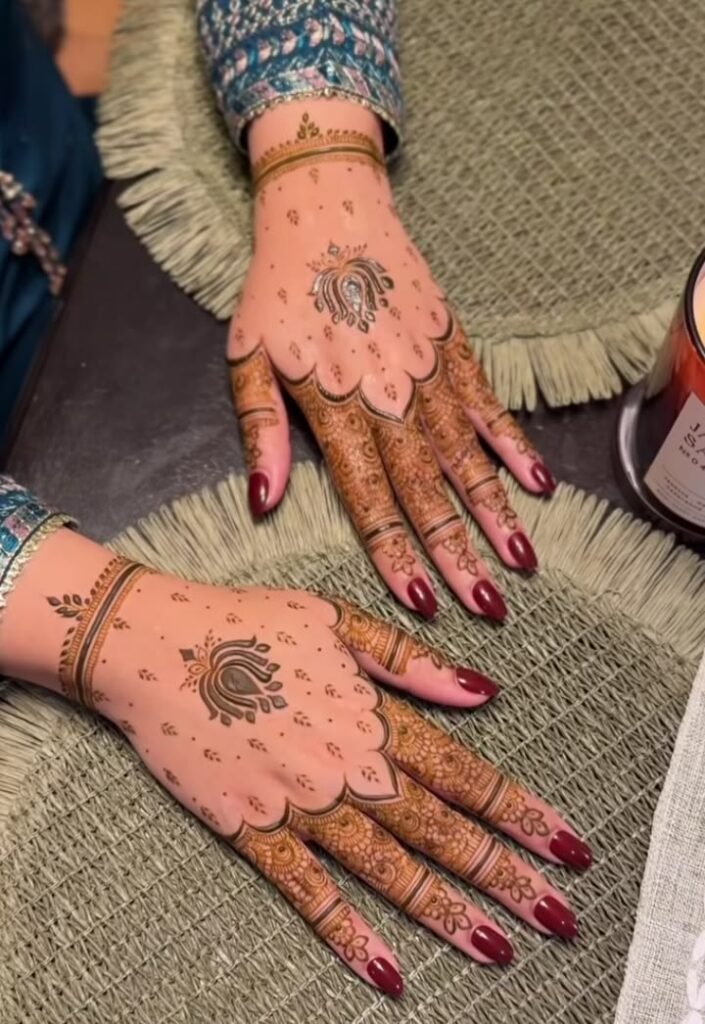


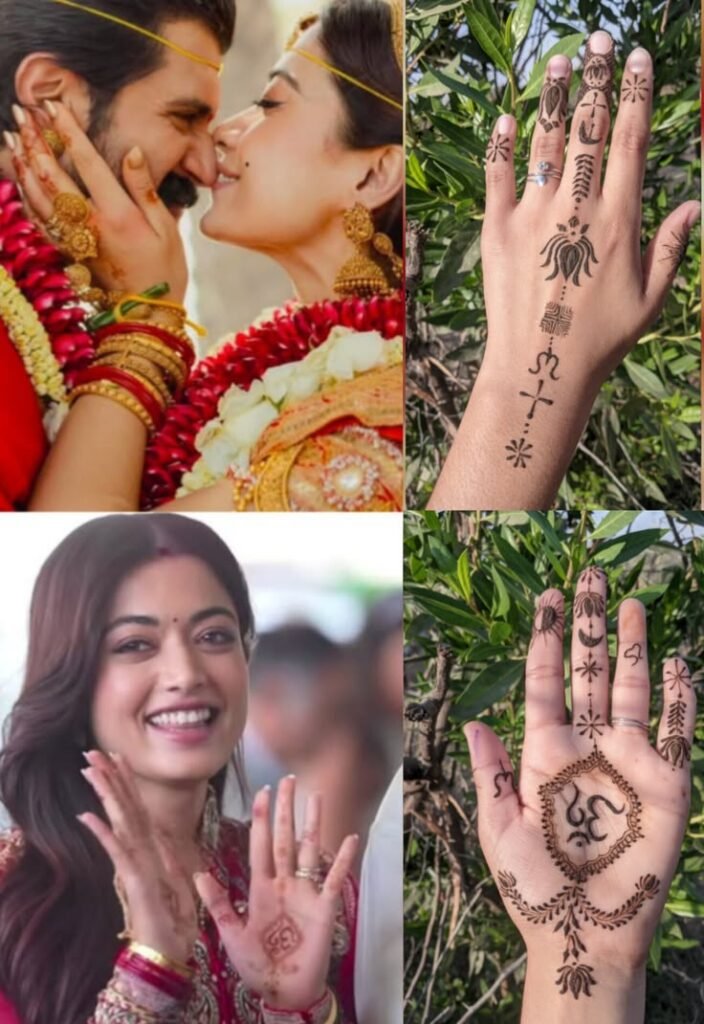
One of the most beautiful evolutions of this trend is how brides are turning mehndi into a personal story rather than just decoration. Within the mandala and fine-line patterns, brides are adding:
- Hidden initials of their partner
- Wedding dates in micro-calligraphy
- Tiny symbols like hearts, infinity signs, or lotuses
- Small motifs representing how the couple met
These details are subtle. Guests may not notice them immediately, but for the bride, they add emotional depth to the design. Mehndi becomes more than tradition — it becomes memory.
How This Mehndi Trend Fits Into Different Wedding Styles

One reason this pattern is everywhere in 2026 is its versatility. It adapts beautifully to different wedding aesthetics:
For Traditional Weddings
The mandala itself is deeply rooted in traditional Indian design. When paired with classic jewelry and rich bridal outfits, the design still feels culturally grounded.
For Minimal & Modern Weddings

Brides opting for intimate weddings, pastel palettes, or contemporary outfits find this mehndi style aligns perfectly with their overall aesthetic.
For Destination Weddings

Beach and destination weddings often call for lighter looks. Minimal mehndi complements flowy outfits, open footwear, and relaxed bridal styling.
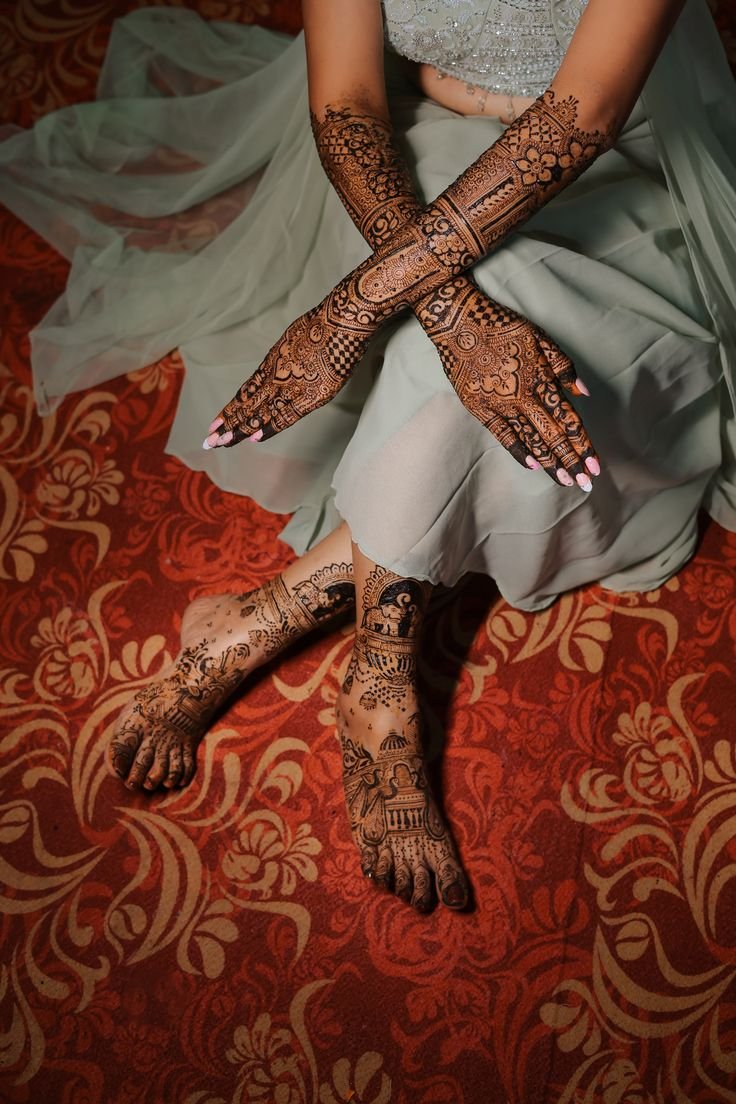
Matching Foot Mehndi: Completing the Look
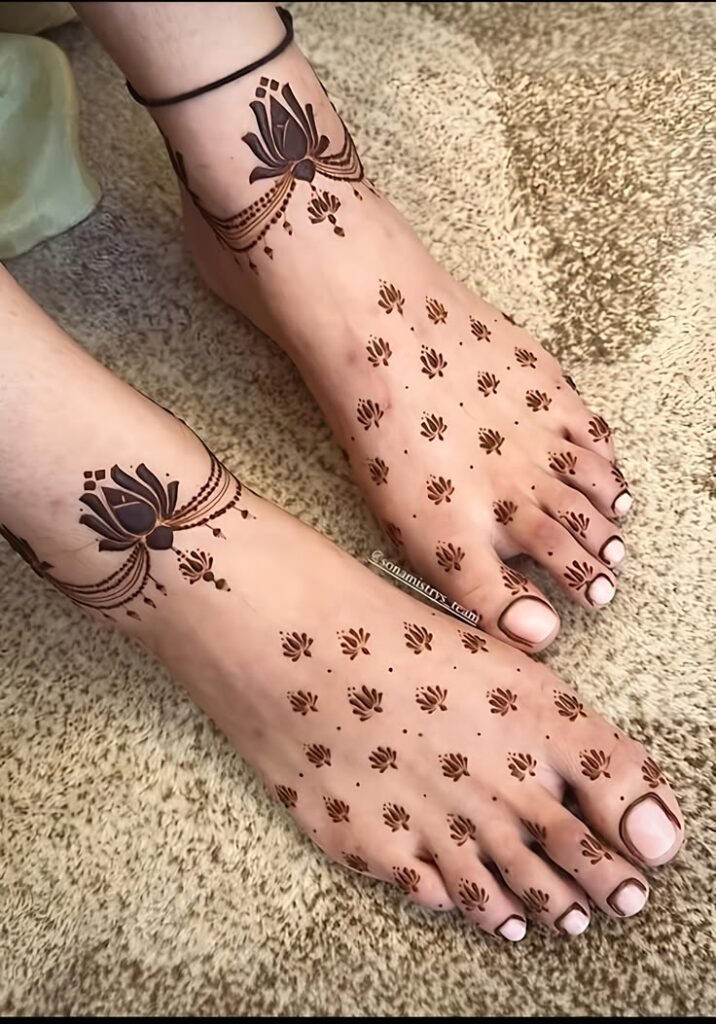
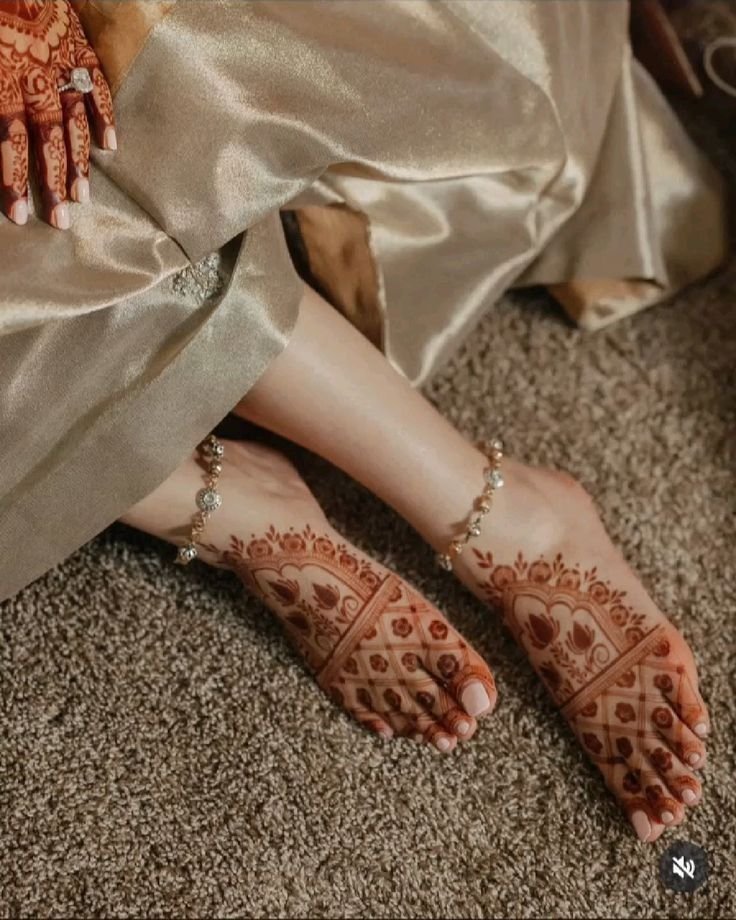
In 2026, bridal mehndi is no longer just about hands. With more brides wearing open heels or barefoot footwear during ceremonies, foot mehndi has become a styling element. The trending approach mirrors the hand design:
- A single mandala on each sole
- Thin anklet-style patterns around the ankle
- Minimal toe detailing
This creates a cohesive, intentional look rather than treating foot mehndi as an afterthought.
What Mehndi Artists Are Observing in 2026
Professional mehndi artists are seeing a clear shift in client requests. Many brides now come with:
- Reference images of minimal mandala designs
- Requests for negative space
- Instructions to “keep it clean, not crowded”
- A desire for personalization over complexity
Artists also note that these designs age better in photos. Years later, when brides look back at their wedding albums, the designs still feel timeless rather than overly trendy.

How to Make This Mehndi Pattern Look Luxe

If you’re choosing this viral mehndi trend, here’s how to elevate it:
- Choose a skilled artist who specializes in fine-line work
- Ask for high-contrast mehndi paste for darker stains
- Coordinate your mehndi style with your outfit embroidery
- Keep nails neutral or soft-toned to complement the design
- Consider subtle white mehndi accents for pre-wedding shoots
These small styling choices can make the design feel premium and intentional.
The Bigger Shift: What This Trend Says About Modern Brides

At its core, this mehndi trend reflects a broader shift in bridal culture. Brides today are choosing:
- Meaning over excess
- Comfort over convention
- Personal expression over rigid tradition
The obsession with this particular mehndi pattern isn’t random. It represents how weddings themselves are evolving — becoming more intimate, thoughtful, and reflective of individual identity.
The reason brides are obsessed with this mehndi pattern in 2026 is simple: it makes them feel beautiful without feeling overdone. It honors tradition while embracing modern aesthetics. It photographs beautifully, feels comfortable to wear, and carries personal meaning.
Trends will continue to change, but this shift toward intentional, minimal, and personalized bridal mehndi is likely here to stay. For brides who want their wedding look to feel timeless rather than trend-heavy, this design offers the perfect balance of elegance, emotion, and individuality